

Share this article
Introduction: You Can Move Without Erasing Your Past
A move from California to Nevada is often described too simply. People are told to get a Nevada driver license, register to vote, change an address, and count days. Those steps matter, but they do not capture the real challenge. Many people who move to Nevada still have California friends, family, doctors, second homes, advisors, investors, board obligations, or business interests. The question is not whether every California tie must disappear. The question is whether the total picture shows that California is no longer the center of life.
This distinction matters for founders, executives, athletes, entertainers, family offices, digital nomads, and advisors. High-income taxpayers often cannot sever every California relationship overnight. They may have children in school, aging parents, a retained property, a company footprint, or long-standing professional relationships. A residency strategy that pretends these facts do not exist is fragile. A stronger strategy acknowledges them, explains them, and builds a Nevada-centered record around them.
This article explains how to think about legitimate California ties after a Nevada move, what makes a tie risky, and how ResidencyIQ frames the difference between keeping relationships and maintaining domicile.
Key Concepts: Ties Are Not All Equal
A California tie is not automatically fatal. Some ties are normal remnants of a prior life. Others suggest that the prior life never really moved. The difference depends on availability, frequency, purpose, documentation, and whether the new state has become the practical center of day-to-day living.
A retained California friendship network is different from a spouse and minor children continuing to live primarily in California. A doctor used during a transition is different from all primary medical care remaining in California for years. A rental property is different from a fully available personal residence used most weekends. A board meeting in California is different from operating a business from a California office every week.
The important concept is alignment. If Nevada is the claimed domicile, identity, residence, financial records, professional routines, family life, medical care, community involvement, and travel behavior should increasingly align with Nevada.
Keeping Ties Versus Maintaining Domicile
Keeping ties means you still have relationships or assets connected to California. Maintaining domicile means California still appears to be the fixed, permanent, and principal center of life. A person can keep California friends while clearly living in Nevada. A person can own California property while clearly using Nevada as the primary home. But if the retained ties are numerous, active, and central, they may undermine the relocation.
The practical question is: if a third party reviewed your records, would they see Nevada as the operating center of your life or California with a Nevada overlay?
Nevada Needs Positive Evidence
Moving away from California is only half the story. You also need to show what you moved toward. Nevada evidence should not be thin. Driver license, voter registration, primary residence records, utilities, insurance, local banking, local providers, community involvement, and advisor notes can all support the transition. The Nevada residency guide documents what a complete establishment record includes.
The strongest Nevada story is not built by attacking California ties. It is built by showing that Nevada became the place where normal life now happens.
Examples Of Legitimate California Ties
Friends are usually the easiest tie to understand. People do not stop caring about friends because they move. The issue is frequency and context. Occasional visits, weddings, reunions, or planned events are different from spending most social life in California every weekend.
Family is more sensitive. Visiting parents or adult children may be legitimate. A spouse and minor children remaining in California can be much more significant. School records, pediatricians, family residence, and daily routines can all suggest where the household is truly centered.
Doctors can be transitional or problematic. A person may keep a specialist in California for a period of time, especially for complex care. But if all ordinary medical, dental, and personal care remains in California indefinitely, the records may suggest continuing personal attachment.
Second residences require careful context. A retained California home may be held for sale, rented, used by family, or kept as an investment. But if it remains fully furnished, personally available, and frequently used, it may look less like an asset and more like a continuing home.
Business activity can be legitimate but must be explained. A founder may attend board meetings or investor meetings in California. A touring professional may have California rehearsals or production commitments. The key is whether California remains the operational base or simply one location in a broader professional footprint.
Common Mistakes
One mistake is treating Nevada as a paperwork move. A person changes licenses and addresses but continues living the same California-centered life. That is weak. Documents and behavior should tell the same story.
Another mistake is failing to document why California ties remain. If a retained property exists because it is being prepared for sale, keep records. If visits are for family care, record the purpose. If California medical care is temporary, document the transition plan.
A third mistake is underbuilding Nevada life. If the Nevada file contains only a lease and a driver license, while California contains family, doctors, business, property, clubs, and weekends, the file is imbalanced.
A fourth mistake is ignoring advisors until a problem appears. CPAs and attorneys can help identify which California ties are ordinary and which need active management.
A fifth mistake is using the California home casually after the move. If the residence remains personally available, fully stocked, and used whenever convenient, it may look like a continuing home. If the property is an investment, rental, family-occupied property, or asset being sold, records should support that role.
A sixth mistake is letting business convenience drive the residency story. A founder may keep a California conference room, assistant, or mailing address because it is familiar. But if those conveniences become the practical operating base, they can undermine the Nevada move.
Practical Guidance For A Nevada Move
Create a Nevada evidence baseline immediately. This usually includes driver license, voter registration, primary residence documents, utilities, insurance, banking address updates, vehicle registration where applicable, and local professional records. Do not rely on one document to carry the whole story.
Make a California retained-ties inventory; the California residency guide explains which ties the state weighs most heavily. List property, family, doctors, clubs, advisors, business interests, office access, board roles, and recurring travel. For each tie, identify whether it is temporary, permanent, passive, active, personal, financial, or professional.
Separate explanation from evidence. It is not enough to say a tie is harmless. Keep records that support the explanation. A lease, listing agreement, doctor transition note, board calendar, hotel record, or family-care calendar entry can help convert a vague claim into an organized narrative.
Review travel behavior monthly. If California overnight trends are increasing, address the pattern before it becomes the story. If the trips are necessary, document why. If they are optional, consider whether they are consistent with the claimed relocation.
Coordinate professional records. Employment agreements, board materials, business registrations, licensing records, and advisor files should be reviewed for old California addresses or assumptions. Many residency files are weakened by outdated professional paperwork that no one thought to update.
Build a Nevada routine that is visible in records. Local medical providers, recurring appointments, community involvement, banking, vehicle records, and ordinary spending patterns all help establish that Nevada is not merely a tax address. It is the place where life happens.
Finally, review the move as a continuing process. The first ninety days may establish momentum, but the first full year often determines whether the story feels durable. A Nevada move is strongest when each quarter adds more Nevada-centered evidence and fewer unexplained California-centered patterns.
The ResidencyIQ Perspective
ResidencyIQ is built around the reality that modern people have multi-state lives. The platform does not assume every retained tie is bad. Instead, it helps make the tie visible, categorize the evidence, and compare the tie against the broader residency story.
For a California to Nevada move, the system would focus on migration intelligence, evidence strength, exposure factors, narrative events, and advisor review. California property retained might appear as a risk factor. Nevada residence established might appear as a strengthening factor. The goal is not to oversimplify the facts. The goal is to make the facts organized enough for intelligent review.
A strong relocation story is not “I left California and never returned.” For many people, that is unrealistic. A stronger story is “I established Nevada as my center of life, retained limited California ties for documented reasons, and maintained a consistent record over time.”
Conclusion
Moving from California to Nevada does not require erasing every California relationship. It does require clarity. Friends, family, doctors, second residences, and business activity must be understood in context. Some ties are ordinary. Some ties are significant. Some ties become risky because they are frequent, central, unexplained, or inconsistent with Nevada-centered living.
The right approach is to build Nevada evidence, inventory California ties, document the reasons those ties remain, and review the pattern with qualified professionals.
Understand where your life is centered. Create your ResidencyIQ profile.
Share this article
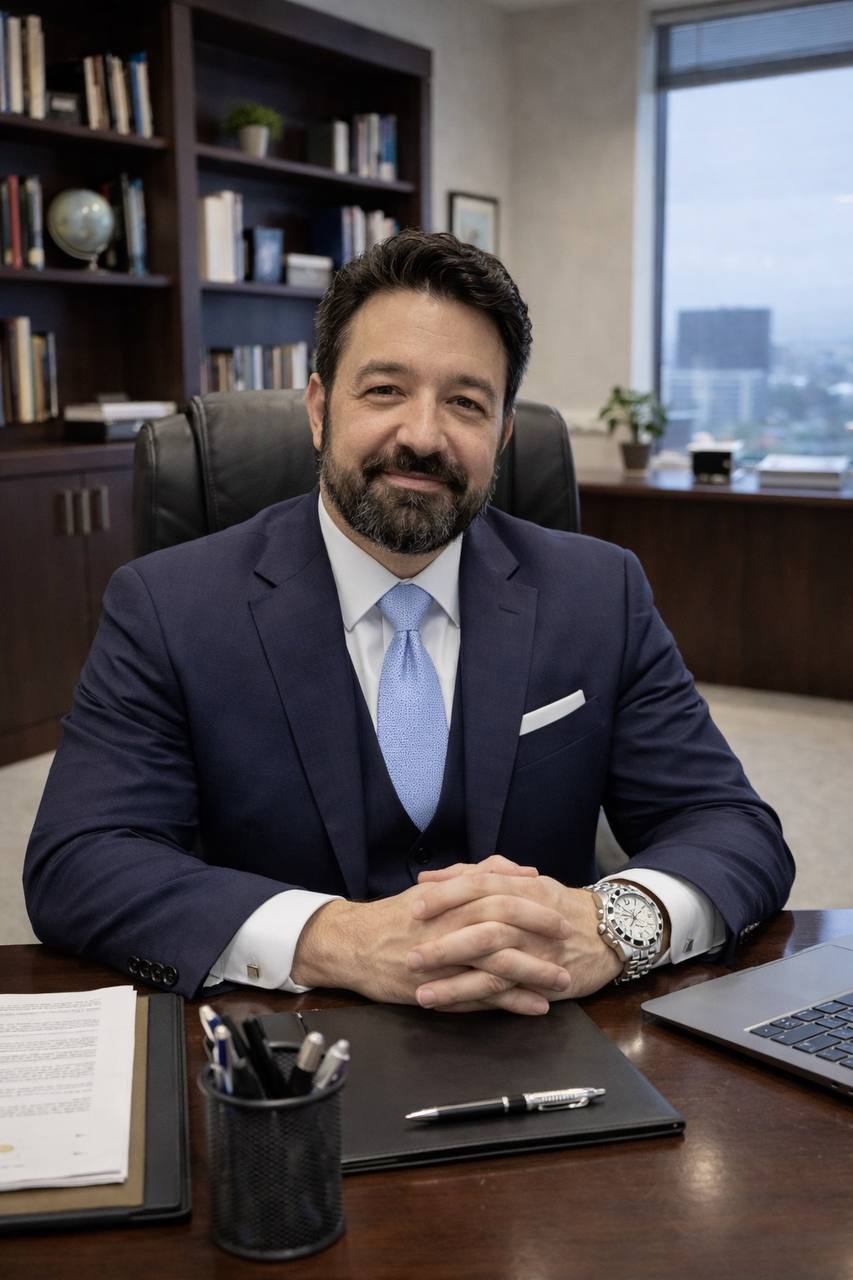
About the author
Joseph Morin
Founder & CEO, ResidencyIQ · Principal, Equitymind Ventures
Pioneer SEO practitioner and a cofounder of the SEO industry. 25+ years in growth marketing, SEO, and digital strategy. International speaker, seven-time founder, three exits. Active advisor and operator across AI, consumer software, eSIM technology, ecommerce, entertainment, tax technology, rail, and cybersecurity. Business Mentor at Chapman University and Plug and Play Tech Center. Venture Growth Lead at Expert Dojo VC. Building and deploying AI agent infrastructure covering SEO, GEO, social, and outreach across the Equitymind portfolio.
LinkedIn →